
BOOK REVIEW
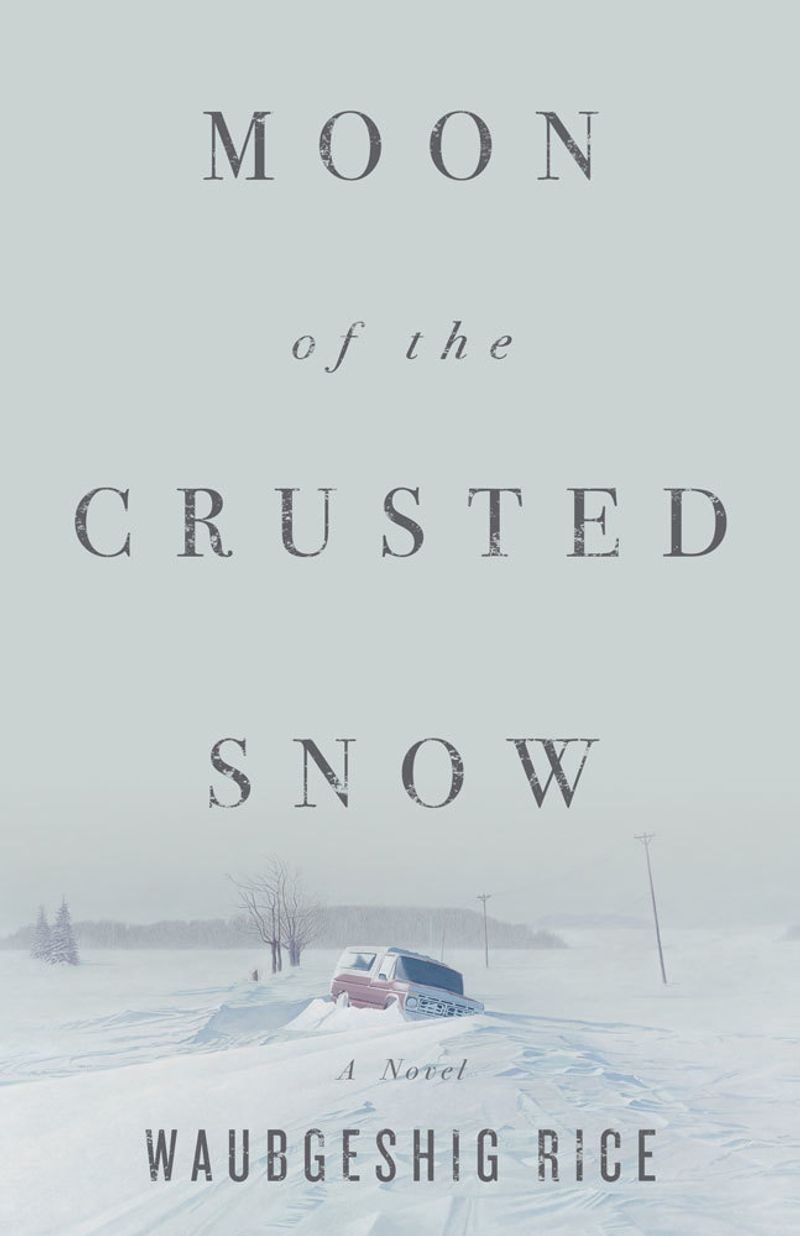
Moon of the Crusted Snow
The world ends quietly here, and somehow that might be the most unsettling part.
The world ends quietly in Moon of the Crusted Snow. There’s no giant explosion, no immediate explanation, and no moment where everyone suddenly realizes they’re living through the apocalypse. The power goes out. The phones stop working. Food starts running low. Winter keeps getting colder. And slowly, everyone realizes that nobody is coming to fix it. I really appreciated how different this felt from most post-apocalyptic stories, even if the slow-burn approach didn’t completely work for me.
The story follows a remote Anishinaabe community in northern Ontario as communication with the outside world suddenly disappears. At first, nobody knows how serious the situation actually is. Power outages happen. Deliveries get delayed. But as days turn into weeks and people from the south begin arriving with stories about what’s happening elsewhere, it becomes obvious that something much larger has collapsed.
I really liked how little the book cared about explaining the apocalypse itself. We’re just as disconnected from the outside world as the community is. There’s no convenient news report explaining what happened or character arriving with all the answers. Whatever ended the world almost doesn’t matter.
What matters is what happens afterward.
The strongest part of the book for me was the way survival becomes connected to culture and community. Modern infrastructure may be disappearing, but the Anishinaabe people at the center of the story have survived attempts to destroy their communities before. Hunting, sharing resources, listening to elders, returning to the land, and preserving tradition become more valuable than anything the outside world can offer them.
There’s something really powerful about calling this an apocalypse when, from another perspective, the community has already survived one.
Where it lost me a little was the pacing. This is a very quiet book. I liked the creeping dread, especially as supplies disappeared and tensions within the community grew, but there were stretches where I wanted that tension to build faster. Even when things became dangerous, the story remained incredibly restrained.
I can appreciate that choice, and I actually think it makes sense for the story Rice is telling. It just meant that I admired the book more than I was completely absorbed by it.